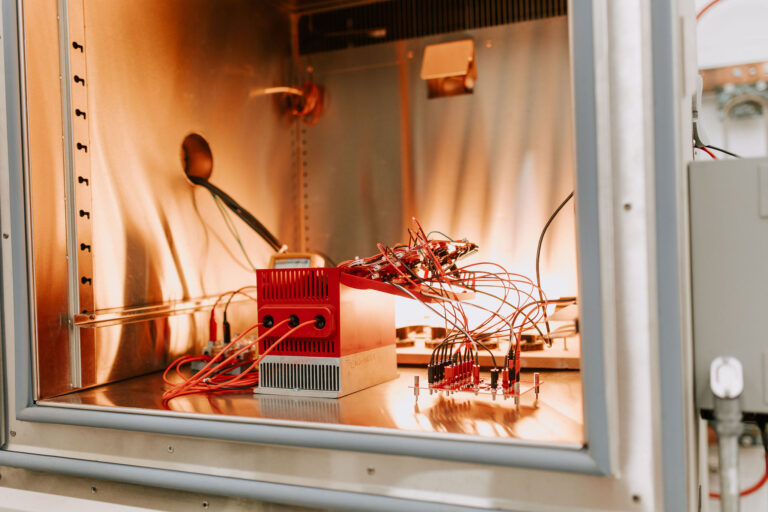

5 Costly Mistakes when Operating SCR Power Controllers

Inspect your system today to keep it running smooth, reliably, and at peak performance.


2 min read

Control Concepts’ experts can help you prevent, diagnose, and fix these mistakes. Inspect your system today to keep it running smooth, reliably, and at peak performance.

Mistake 1. Not Fusing All Legs Feeding the SCR and Load

A short to ground can lead to a runaway load in single or three phase applications, possibly damaging expensive loads.

Mistake 2. Failure to Maintain a Minimum Load

An open load condition or a failure to meet a minimum current on the primary can cause the SCR to not commute (turn off) properly, which may eventually lead to saturation of the transformer and blown fuses.

Mistake 3. Operating Above or Below Rated Environmental Conditions

Many people believe running electronics in a colder environment is advantageous to the device. For SCRs, however, the required SCR drive current increases as the temperature decreases. This current increase can overtax the system and lead to misfires and potential saturation of downstream transformers. A small box heater is recommended for designs operating less than 32ËšF / 0ËšC. Operating the SCR controller above 50ËšC shortens the life of the SCR and the associated electronic components.

Mistake 4. Dust in the Enclosure

Control Concepts strongly recommends using and regularly maintaining cabinet filters to reduce dust contamination of the electronics. Conductive dust inside the cabinet and on the controller will significantly shorten the life of the SCR and electronics.

Mistake 5. Neglecting to Test Possible Fault/Alarm Recovery Scenarios

Digital processors and communications have increased the number of possible fault conditions for modern SCRs. Control Concepts recommend methodical and systematic testing to test all possible alarms and fault conditions before a system is placed in production to reduce startup costs and scrapped product.

Control Concepts’ experts can help you prevent, diagnose, and fix these mistakes. Inspect your system today to keep it running smooth, reliably, and at peak performance.

Mistake 1. Not Fusing All Legs Feeding the SCR and Load

A short to ground can lead to a runaway load in single or three phase applications, possibly damaging expensive loads.

Mistake 2. Failure to Maintain a Minimum Load

An open load condition or a failure to meet a minimum current on the primary can cause the SCR to not commute (turn off) properly, which may eventually lead to saturation of the transformer and blown fuses.

Mistake 3. Operating Above or Below Rated Environmental Conditions

Many people believe running electronics in a colder environment is advantageous to the device. For SCRs, however, the required SCR drive current increases as the temperature decreases. This current increase can overtax the system and lead to misfires and potential saturation of downstream transformers. A small box heater is recommended for designs operating less than 32ËšF / 0ËšC. Operating the SCR controller above 50ËšC shortens the life of the SCR and the associated electronic components.

Mistake 4. Dust in the Enclosure

Control Concepts strongly recommends using and regularly maintaining cabinet filters to reduce dust contamination of the electronics. Conductive dust inside the cabinet and on the controller will significantly shorten the life of the SCR and electronics.

Mistake 5. Neglecting to Test Possible Fault/Alarm Recovery Scenarios

Digital processors and communications have increased the number of possible fault conditions for modern SCRs. Control Concepts recommend methodical and systematic testing to test all possible alarms and fault conditions before a system is placed in production to reduce startup costs and scrapped product.
Email Address *